Kitab
HomeBlogAboutDashboard
Kitab

A multilingual blog starter showcasing RTL support and Arabic typography.

Navigation

  • Home
  • Blog
  • About

Resources

  • GitHub
  • Documentation
  • Components

Connect

2025 Kitab. All rights reserved.

Made with noorui-rtl and Next.js

Kitab
HomeBlogAboutDashboard
Kitab

A multilingual blog starter showcasing RTL support and Arabic typography.

Navigation

  • Home
  • Blog
  • About

Resources

  • GitHub
  • Documentation
  • Components

Connect

2025 Kitab. All rights reserved.

Made with noorui-rtl and Next.js

  1. Home
  2. Blog
  3. The Shared Roots of Arabic and Urdu Script
Scripts & Alphabets

The Shared Roots of Arabic and Urdu Script

Discover how Urdu borrowed the Arabic alphabet and transformed it into something uniquely beautiful, creating one of the world's most elegant writing systems.

10 min read14
The Shared Roots of Arabic and Urdu Script
AM

Amira Hassan

Linguist and typographer specializing in Arabic script history and evolution.

Two Languages, One Script Foundation

When you see Urdu and Arabic side by side, you might think they're the same language. They share the same alphabet, flow from right to left, and use similar letter shapes. But look closer, and you'll notice something fascinating: Urdu has transformed the Arabic script into something distinctly its own.

This is the story of how a writing system traveled across continents, adapted to new sounds, and became the foundation for one of the world's most beautiful calligraphic traditions.

The Journey East: Islam and the Arabic Script

The Historical Spread

The Arabic script's journey to South Asia began in the 8th century CE, following the spread of Islam through trade routes and conquest. As Islam reached regions that would become modern-day Pakistan, India, Afghanistan, and Bangladesh, the Arabic script came with it.

"Urdu did not borrow the Arabic script—it inherited it, reshaped it, and made it sing in a different voice."

— Mahmud Sherani, Urdu scholar

The Perso-Arabic script (Arabic script as modified by Persian writers) became the vehicle for Persian, which was the language of administration, literature, and high culture in the region for centuries. When a new language began to emerge in the 12th-13th centuries—what we now call Urdu—it naturally adopted this prestigious writing system.
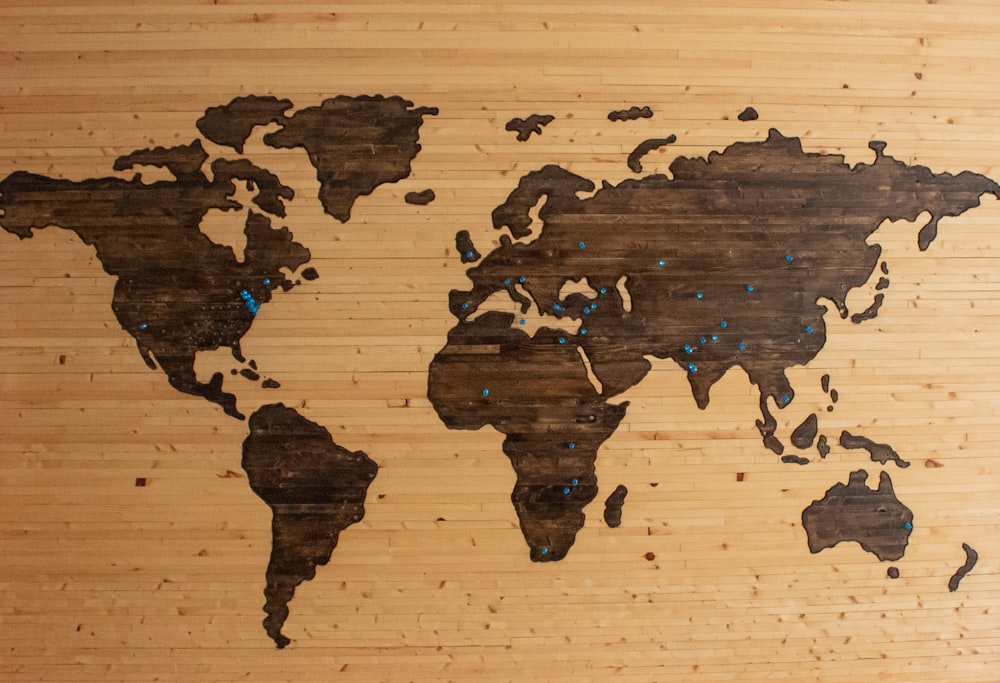
Map showing the spread of Arabic script from Arabia through Persia to South Asia
The Arabic script traveled east through Persia before reaching South Asia, picking up modifications along the way

Why Not Devanagari?

This might seem obvious now, but it's worth asking: Why does Urdu use the Arabic script when other languages of the region, like Hindi, use Devanagari?

Urdu and Hindi are linguistically very similar—in fact, they're often considered two registers of the same language (Hindustani). The primary difference is the script: Urdu uses Arabic script, Hindi uses Devanagari.

The answer lies in cultural and religious identity:

  1. Islamic heritage: Urdu developed in Muslim courts and communities where Persian and Arabic were prestigious languages of learning
  2. Literary tradition: Persian literature used the Arabic script, and Urdu poetry emerged within this tradition
  3. Religious texts: The Quran is written in Arabic script, creating a strong association between the script and Islamic identity
  4. Administrative legacy: Mughal administration used Persian in Arabic script, establishing it as the script of government and official documentation

The Arabic Alphabet: Urdu's Foundation

Both Arabic and Urdu use the same core alphabet of 28 letters. Let's look at the basic set they share:

LetterNameTransliterationSound
اAlifāLong 'a' as in "father"
بBeb'b' as in "book"
تTet't' as in "tea"
ثSes̱'th' as in "think"
جJīmj'j' as in "jump"
حḤeḥPharyngeal 'h'
خKhekh'kh' as in German "Bach"
دDāld'd' as in "dog"
ذẔālẕ'th' as in "this"
رRerRolled 'r'
زZez'z' as in "zebra"
سSīns's' as in "see"
شShīnsh'sh' as in "shoe"
صṢādṣEmphatic 's'
ضẒādẓEmphatic 'd'
طTo'eṭEmphatic 't'
ظZo'eẓEmphatic 'z'
عʿAinʿPharyngeal stop
غGhainghGuttural 'gh'
فFef'f' as in "fun"
قQāfqUvular 'q'
كKāfk'k' as in "kite"
لLāml'l' as in "light"
مMīmm'm' as in "moon"
نNūnn'n' as in "noon"
هHe/Do-čašmī heh'h' as in "hello"
وVā'ov/w/ū'v', 'w', or long 'u'
یYey/ī'y' or long 'i'

Urdu's Unique Additions

Here's where Urdu innovated. The languages of South Asia have sounds that don't exist in Arabic. To represent these, Urdu added special letters:

The Retroflex Consonants

South Asian languages have retroflex consonants—sounds made by curling the tongue back to touch the roof of the mouth. Arabic doesn't have these, so Urdu created new letters by adding a small stroke (called a ṭo'e) to existing letters:

Urdu letter ٹ (ṭe)
ٹ (ṭe) - Retroflex 't'
Urdu letter ڈ (ḍāl)
ڈ (ḍāl) - Retroflex 'd'
Urdu letter ڑ (ṛe)
ڑ (ṛe) - Retroflex 'r'
Urdu letter ں (nūn ghu...)
ں (nūn ghunnah) - Nasalization

Examples:

  • پٹی (paṭṭī) - bandage (with retroflex ṭ)
  • ڈالنا (ḍālnā) - to pour (with retroflex ḍ)
  • پڑھنا (paṛhnā) - to read (with retroflex ṛ)

The Final Ye

Urdu uses a special form of ye (ی) at the end of words:

  • Standard ye: ی
  • Final ye: ے (called "choṭī ye" or "ye barī")

Example:

  • لڑکے (laṛke) - boys (final ye)
  • لڑکی (laṛkī) - girl (standard ye)

The Nasalization Marker

The dot-less nūn (ں) indicates nasalization—pronouncing a vowel through the nose:

Compare:

  • بن (ban) - become (regular)
  • بیں (baĩ) - sister (nasalized—actually written as بہن)

Visual Comparison: Same Word, Different Scripts

Let's write the word for "book" in both Arabic and Urdu to see the similarities and differences:

The word kitāb in Arabic script
Arabic: كتاب (kitāb) - Written in Naskh style
The word kitāb in Urdu script
Urdu: کتاب (kitāb) - Written in Nastaliq style

Notice that:

  1. The letters are the same (ک-ت-ا-ب)
  2. The Urdu version flows more diagonally (Nastaliq style)
  3. The Urdu version has more variation in letter size and placement

The Calligraphic Divide: Naskh vs. Nastaliq

This is perhaps the most visually striking difference between Arabic and Urdu.

Naskh: The Arabic Standard

Naskh is the most common Arabic script style. Its characteristics:

  • Horizontal baseline
  • Consistent letter proportions
  • Clear, readable forms
  • Widely used for printing Arabic text, including the Quran
Example of Naskh calligraphy
Naskh script: horizontal flow, consistent proportions

Nastaliq: Urdu's Signature Style

Nastaliq (نستعلیق) developed in Persia in the 14th-15th centuries and became the dominant style for Urdu. Its characteristics:

  • Diagonal baseline (text "hangs" from an imaginary slanted line)
  • Variable letter sizes create visual rhythm
  • Letters overlap and cascade
  • Considered one of the world's most beautiful scripts
  • Extremely difficult to digitize and render on computers
Example of Nastaliq calligraphy
Nastaliq script: diagonal flow, cascading letters, dynamic proportions

Nastaliq is so complex that computerized typesetting of Urdu remained a major challenge until the 2000s. Even today, high-quality Nastaliq fonts require advanced OpenType features to handle the intricate letter connections properly.

A Visual Comparison

Persian poetry in Naskh style
Persian verse in Naskh: more horizontal, easier to read
Urdu poetry in Nastaliq style
Urdu verse in Nastaliq: cascading, artistic, flowing

Why Nastaliq Matters for Urdu

Nastaliq isn't just aesthetic preference—it's culturally fundamental to Urdu:

  1. Poetic tradition: Urdu's rich ghazal and nazm poetry is traditionally written in Nastaliq
  2. Visual identity: Nastaliq is immediately recognizable as Urdu/Persian, distinguishing it from Arabic
  3. Calligraphic art: Urdu calligraphy in Nastaliq is a major art form
  4. Cultural prestige: Beautiful Nastaliq hand became a mark of education and sophistication

Watch this demonstration of traditional Nastaliq calligraphy to see the art form in action

Technical Challenges in the Digital Age

The relationship between Arabic and Urdu scripts creates interesting technical challenges:

Font Support

  • Arabic fonts typically use Naskh or Kufi styles
  • Urdu fonts need Nastaliq support
  • Many "Arabic" fonts don't include Urdu's special characters (ٹ، ڈ، ڑ، ں، ے)
  • Nastaliq requires complex OpenType contextual positioning

Text Rendering

// Check if a font supports Urdu-specific characters
const urduChars = ['ٹ', 'ڈ', 'ڑ', 'ں', 'ے'];
 
function supportsUrdu(fontFamily) {
  // Create a test element
  const testElement = document.createElement('span');
  testElement.style.fontFamily = fontFamily;
  testElement.textContent = urduChars.join('');
  document.body.appendChild(testElement);
 
  // Check if the glyphs render (simple check)
  const hasGlyphs = testElement.offsetWidth > 0;
  document.body.removeChild(testElement);
 
  return hasGlyphs;
}

When building multilingual applications supporting both Arabic and Urdu, don't assume an "Arabic" font will work for Urdu. Always test with Urdu-specific characters and consider offering Nastaliq fonts for the best user experience.

Why Kitab Supports Both

Understanding the shared roots and distinct identities of Arabic and Urdu is why Kitab (meaning "book" in both languages) treats them as first-class citizens:

  1. Shared script foundation: Both use RTL layout, similar character sets, and right-to-left BiDi behavior
  2. Distinct rendering needs: Arabic typically needs Naskh fonts; Urdu benefits from Nastaliq
  3. Different typographic traditions: Line breaking, letter spacing, and justification have different conventions
  4. Separate character sets: Urdu requires additional Unicode code points
  5. Cultural respect: Treating them as separate languages honors their distinct literary and cultural traditions

Key Takeaways

  1. Common ancestry: Urdu adopted the Arabic alphabet through Persian intermediary, inheriting 28 core letters.

  2. Urdu innovations: Added special letters (ٹ، ڈ، ڑ، ں، ے) to represent South Asian phonemes not present in Arabic.

  3. Calligraphic divergence: Arabic favors Naskh (horizontal); Urdu prefers Nastaliq (diagonal, cascading).

  4. Cultural identity: While linguistically similar to Hindi, Urdu's script choice reflects Islamic cultural heritage.

  5. Technical considerations: Building truly multilingual RTL applications requires understanding these subtle but important differences.

  6. Visual beauty: Nastaliq is considered one of the world's most beautiful scripts, making Urdu calligraphy a distinguished art form.

Further Reading

  • The History of Arabic Script
  • Urdu Nastaliq Script
  • Nastaliq vs Naskh: Comparing Two Major Arabic Script Styles
  • Islamic Calligraphy: Sacred Art and Its Modern Legacy
  • CSS Logical Properties for RTL/LTR Support
urdu
arabic
scripts
nastaliq
naskh
calligraphy
Back to Blog

Related Articles

The History of Arabic Script: From Ancient Origins to Modern Typography

12 min read

Urdu and Nastaliq: The Elegant Script of South Asia

10 min read

The Phoenician Origins of Alphabets: How One Script Changed the World

15 min read

  1. Home
  2. Blog
  3. The Shared Roots of Arabic and Urdu Script
Scripts & Alphabets

The Shared Roots of Arabic and Urdu Script

Discover how Urdu borrowed the Arabic alphabet and transformed it into something uniquely beautiful, creating one of the world's most elegant writing systems.

10 min read14
The Shared Roots of Arabic and Urdu Script
AM

Amira Hassan

Linguist and typographer specializing in Arabic script history and evolution.

Two Languages, One Script Foundation

When you see Urdu and Arabic side by side, you might think they're the same language. They share the same alphabet, flow from right to left, and use similar letter shapes. But look closer, and you'll notice something fascinating: Urdu has transformed the Arabic script into something distinctly its own.

This is the story of how a writing system traveled across continents, adapted to new sounds, and became the foundation for one of the world's most beautiful calligraphic traditions.

The Journey East: Islam and the Arabic Script

The Historical Spread

The Arabic script's journey to South Asia began in the 8th century CE, following the spread of Islam through trade routes and conquest. As Islam reached regions that would become modern-day Pakistan, India, Afghanistan, and Bangladesh, the Arabic script came with it.

"Urdu did not borrow the Arabic script—it inherited it, reshaped it, and made it sing in a different voice."

— Mahmud Sherani, Urdu scholar

The Perso-Arabic script (Arabic script as modified by Persian writers) became the vehicle for Persian, which was the language of administration, literature, and high culture in the region for centuries. When a new language began to emerge in the 12th-13th centuries—what we now call Urdu—it naturally adopted this prestigious writing system.

Map showing the spread of Arabic script from Arabia through Persia to South Asia
The Arabic script traveled east through Persia before reaching South Asia, picking up modifications along the way

Why Not Devanagari?

This might seem obvious now, but it's worth asking: Why does Urdu use the Arabic script when other languages of the region, like Hindi, use Devanagari?

Urdu and Hindi are linguistically very similar—in fact, they're often considered two registers of the same language (Hindustani). The primary difference is the script: Urdu uses Arabic script, Hindi uses Devanagari.

The answer lies in cultural and religious identity:

  1. Islamic heritage: Urdu developed in Muslim courts and communities where Persian and Arabic were prestigious languages of learning
  2. Literary tradition: Persian literature used the Arabic script, and Urdu poetry emerged within this tradition
  3. Religious texts: The Quran is written in Arabic script, creating a strong association between the script and Islamic identity
  4. Administrative legacy: Mughal administration used Persian in Arabic script, establishing it as the script of government and official documentation

The Arabic Alphabet: Urdu's Foundation

Both Arabic and Urdu use the same core alphabet of 28 letters. Let's look at the basic set they share:

LetterNameTransliterationSound
اAlifāLong 'a' as in "father"
بBeb'b' as in "book"
تTet't' as in "tea"
ثSes̱'th' as in "think"
جJīmj'j' as in "jump"
حḤeḥPharyngeal 'h'
خKhekh'kh' as in German "Bach"
دDāld'd' as in "dog"
ذẔālẕ'th' as in "this"
رRerRolled 'r'
زZez'z' as in "zebra"
سSīns's' as in "see"
شShīnsh'sh' as in "shoe"
صṢādṣEmphatic 's'
ضẒādẓEmphatic 'd'
طTo'eṭEmphatic 't'
ظZo'eẓEmphatic 'z'
عʿAinʿPharyngeal stop
غGhainghGuttural 'gh'
فFef'f' as in "fun"
قQāfqUvular 'q'
كKāfk'k' as in "kite"
لLāml'l' as in "light"
مMīmm'm' as in "moon"
نNūnn'n' as in "noon"
هHe/Do-čašmī heh'h' as in "hello"
وVā'ov/w/ū'v', 'w', or long 'u'
یYey/ī'y' or long 'i'

Urdu's Unique Additions

Here's where Urdu innovated. The languages of South Asia have sounds that don't exist in Arabic. To represent these, Urdu added special letters:

The Retroflex Consonants

South Asian languages have retroflex consonants—sounds made by curling the tongue back to touch the roof of the mouth. Arabic doesn't have these, so Urdu created new letters by adding a small stroke (called a ṭo'e) to existing letters:

Urdu letter ٹ (ṭe)
ٹ (ṭe) - Retroflex 't'
Urdu letter ڈ (ḍāl)
ڈ (ḍāl) - Retroflex 'd'
Urdu letter ڑ (ṛe)
ڑ (ṛe) - Retroflex 'r'
Urdu letter ں (nūn ghu...)
ں (nūn ghunnah) - Nasalization

Examples:

  • پٹی (paṭṭī) - bandage (with retroflex ṭ)
  • ڈالنا (ḍālnā) - to pour (with retroflex ḍ)
  • پڑھنا (paṛhnā) - to read (with retroflex ṛ)

The Final Ye

Urdu uses a special form of ye (ی) at the end of words:

  • Standard ye: ی
  • Final ye: ے (called "choṭī ye" or "ye barī")

Example:

  • لڑکے (laṛke) - boys (final ye)
  • لڑکی (laṛkī) - girl (standard ye)

The Nasalization Marker

The dot-less nūn (ں) indicates nasalization—pronouncing a vowel through the nose:

Compare:

  • بن (ban) - become (regular)
  • بیں (baĩ) - sister (nasalized—actually written as بہن)

Visual Comparison: Same Word, Different Scripts

Let's write the word for "book" in both Arabic and Urdu to see the similarities and differences:

The word kitāb in Arabic script
Arabic: كتاب (kitāb) - Written in Naskh style
The word kitāb in Urdu script
Urdu: کتاب (kitāb) - Written in Nastaliq style

Notice that:

  1. The letters are the same (ک-ت-ا-ب)
  2. The Urdu version flows more diagonally (Nastaliq style)
  3. The Urdu version has more variation in letter size and placement

The Calligraphic Divide: Naskh vs. Nastaliq

This is perhaps the most visually striking difference between Arabic and Urdu.

Naskh: The Arabic Standard

Naskh is the most common Arabic script style. Its characteristics:

  • Horizontal baseline
  • Consistent letter proportions
  • Clear, readable forms
  • Widely used for printing Arabic text, including the Quran
Example of Naskh calligraphy
Naskh script: horizontal flow, consistent proportions

Nastaliq: Urdu's Signature Style

Nastaliq (نستعلیق) developed in Persia in the 14th-15th centuries and became the dominant style for Urdu. Its characteristics:

  • Diagonal baseline (text "hangs" from an imaginary slanted line)
  • Variable letter sizes create visual rhythm
  • Letters overlap and cascade
  • Considered one of the world's most beautiful scripts
  • Extremely difficult to digitize and render on computers
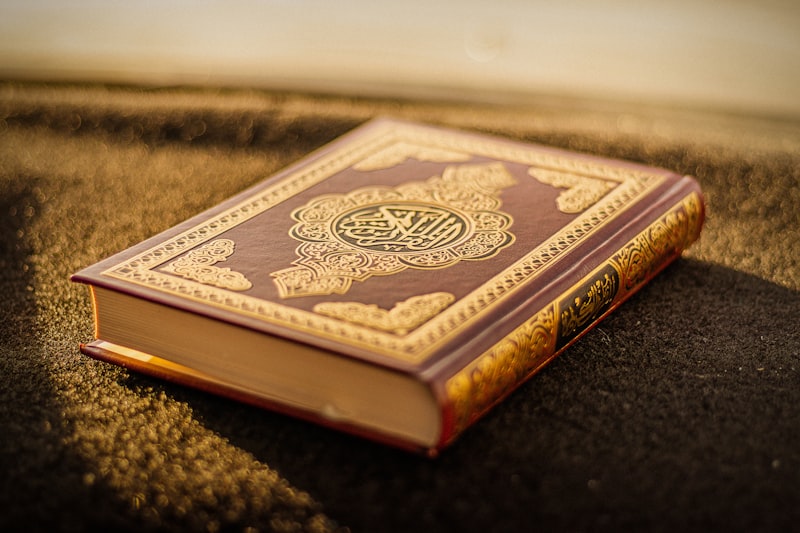
Example of Nastaliq calligraphy
Nastaliq script: diagonal flow, cascading letters, dynamic proportions

Nastaliq is so complex that computerized typesetting of Urdu remained a major challenge until the 2000s. Even today, high-quality Nastaliq fonts require advanced OpenType features to handle the intricate letter connections properly.

A Visual Comparison

Persian poetry in Naskh style
Persian verse in Naskh: more horizontal, easier to read
Urdu poetry in Nastaliq style
Urdu verse in Nastaliq: cascading, artistic, flowing

Why Nastaliq Matters for Urdu

Nastaliq isn't just aesthetic preference—it's culturally fundamental to Urdu:

  1. Poetic tradition: Urdu's rich ghazal and nazm poetry is traditionally written in Nastaliq
  2. Visual identity: Nastaliq is immediately recognizable as Urdu/Persian, distinguishing it from Arabic
  3. Calligraphic art: Urdu calligraphy in Nastaliq is a major art form
  4. Cultural prestige: Beautiful Nastaliq hand became a mark of education and sophistication

Watch this demonstration of traditional Nastaliq calligraphy to see the art form in action

Technical Challenges in the Digital Age

The relationship between Arabic and Urdu scripts creates interesting technical challenges:

Font Support

  • Arabic fonts typically use Naskh or Kufi styles
  • Urdu fonts need Nastaliq support
  • Many "Arabic" fonts don't include Urdu's special characters (ٹ، ڈ، ڑ، ں، ے)
  • Nastaliq requires complex OpenType contextual positioning

Text Rendering

// Check if a font supports Urdu-specific characters
const urduChars = ['ٹ', 'ڈ', 'ڑ', 'ں', 'ے'];
 
function supportsUrdu(fontFamily) {
  // Create a test element
  const testElement = document.createElement('span');
  testElement.style.fontFamily = fontFamily;
  testElement.textContent = urduChars.join('');
  document.body.appendChild(testElement);
 
  // Check if the glyphs render (simple check)
  const hasGlyphs = testElement.offsetWidth > 0;
  document.body.removeChild(testElement);
 
  return hasGlyphs;
}

When building multilingual applications supporting both Arabic and Urdu, don't assume an "Arabic" font will work for Urdu. Always test with Urdu-specific characters and consider offering Nastaliq fonts for the best user experience.

Why Kitab Supports Both

Understanding the shared roots and distinct identities of Arabic and Urdu is why Kitab (meaning "book" in both languages) treats them as first-class citizens:

  1. Shared script foundation: Both use RTL layout, similar character sets, and right-to-left BiDi behavior
  2. Distinct rendering needs: Arabic typically needs Naskh fonts; Urdu benefits from Nastaliq
  3. Different typographic traditions: Line breaking, letter spacing, and justification have different conventions
  4. Separate character sets: Urdu requires additional Unicode code points
  5. Cultural respect: Treating them as separate languages honors their distinct literary and cultural traditions

Key Takeaways

  1. Common ancestry: Urdu adopted the Arabic alphabet through Persian intermediary, inheriting 28 core letters.

  2. Urdu innovations: Added special letters (ٹ، ڈ، ڑ، ں، ے) to represent South Asian phonemes not present in Arabic.

  3. Calligraphic divergence: Arabic favors Naskh (horizontal); Urdu prefers Nastaliq (diagonal, cascading).

  4. Cultural identity: While linguistically similar to Hindi, Urdu's script choice reflects Islamic cultural heritage.

  5. Technical considerations: Building truly multilingual RTL applications requires understanding these subtle but important differences.

  6. Visual beauty: Nastaliq is considered one of the world's most beautiful scripts, making Urdu calligraphy a distinguished art form.

Further Reading

  • The History of Arabic Script
  • Urdu Nastaliq Script
  • Nastaliq vs Naskh: Comparing Two Major Arabic Script Styles
  • Islamic Calligraphy: Sacred Art and Its Modern Legacy
  • CSS Logical Properties for RTL/LTR Support
urdu
arabic
scripts
nastaliq
naskh
calligraphy
Back to Blog

Related Articles

The History of Arabic Script: From Ancient Origins to Modern Typography

12 min read

Urdu and Nastaliq: The Elegant Script of South Asia

10 min read

The Phoenician Origins of Alphabets: How One Script Changed the World

15 min read

Comments (0)

Sign in to join the conversation

Comments (0)

Sign in to join the conversation